Lacey: Designed to Work, Bound for the Great Loop
Update, September 28, 2026: Demian and Lacey are officially on their way!
Follow along here on Shipwrights News & Stories as he shares updates from the Great Loop.
From Forest Service Scaler's Boat to the Great Loop
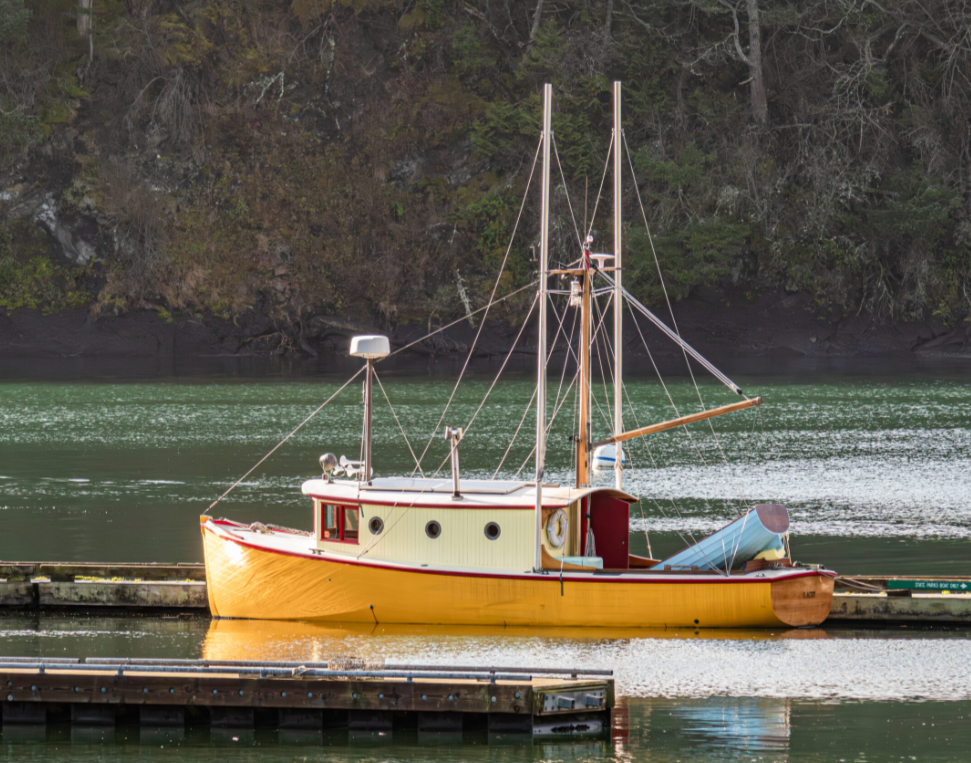
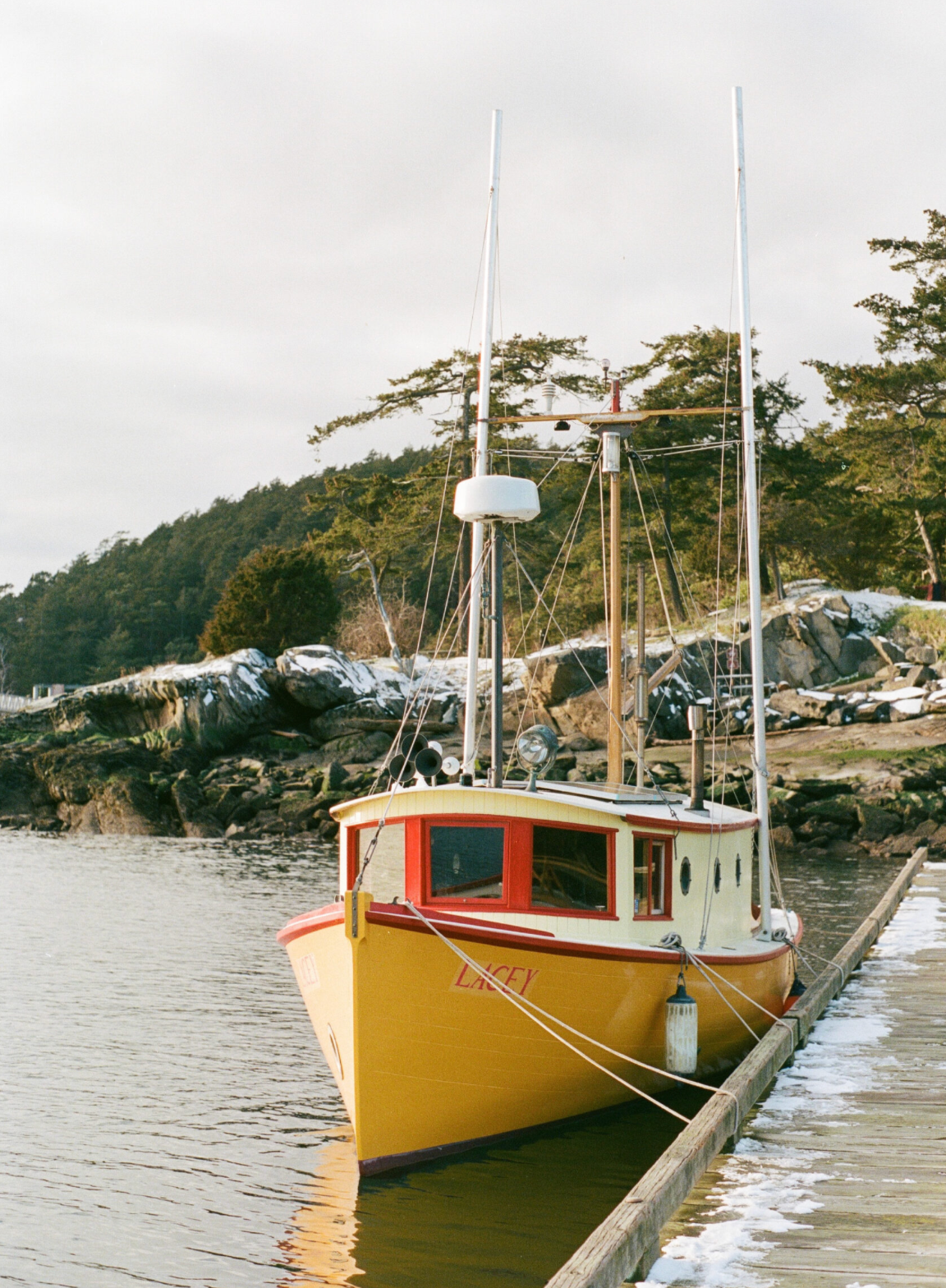
Lacey was designed to work.
Her design dates back to 1953, when Seattle naval architect H.C. Hanson created a 25-foot Forest Service scaler’s boat for the U.S. Forest Service. Scalers determine the amount of lumber in each log cut by a timber crew, and boats like these were used by the Forest Service in the western United States. Three vessels were built commercially to Hanson’s design in the mid-1950s.
More than half a century later, the design found a new life in Port Townsend.
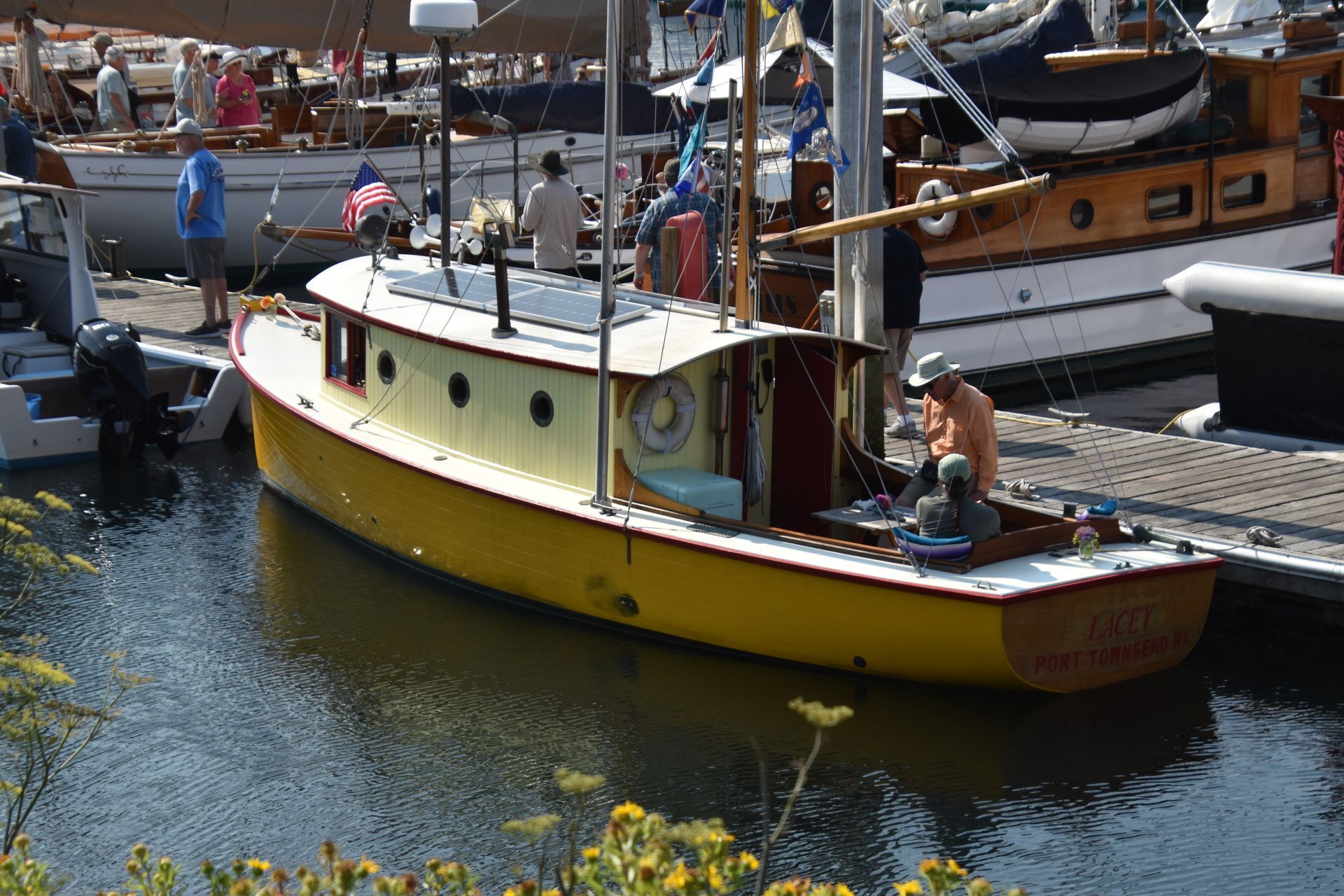
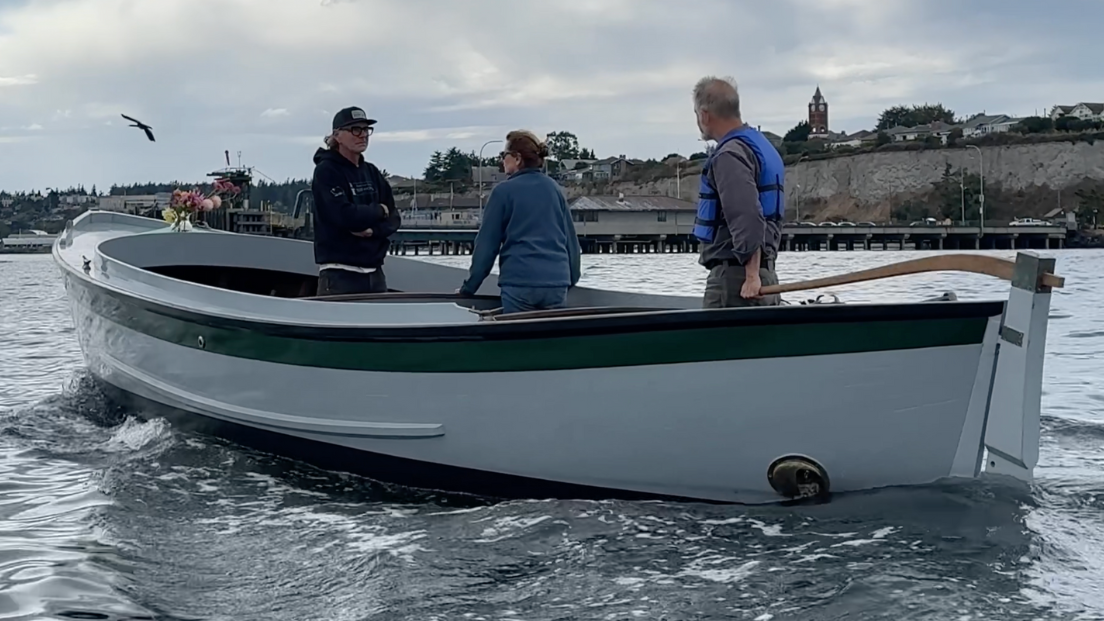
Lacey’s hull construction began in 2013 at the Northwest School of Wooden Boatbuilding, with Tim Lee overseeing the project as instructor. For this build, Lee redrew the design to 28 feet to get the engine out of the cabin. Today, Lee is a partner at Port Townsend Shipwrights. After the hull was completed, the boat spent 11 months on the hard.
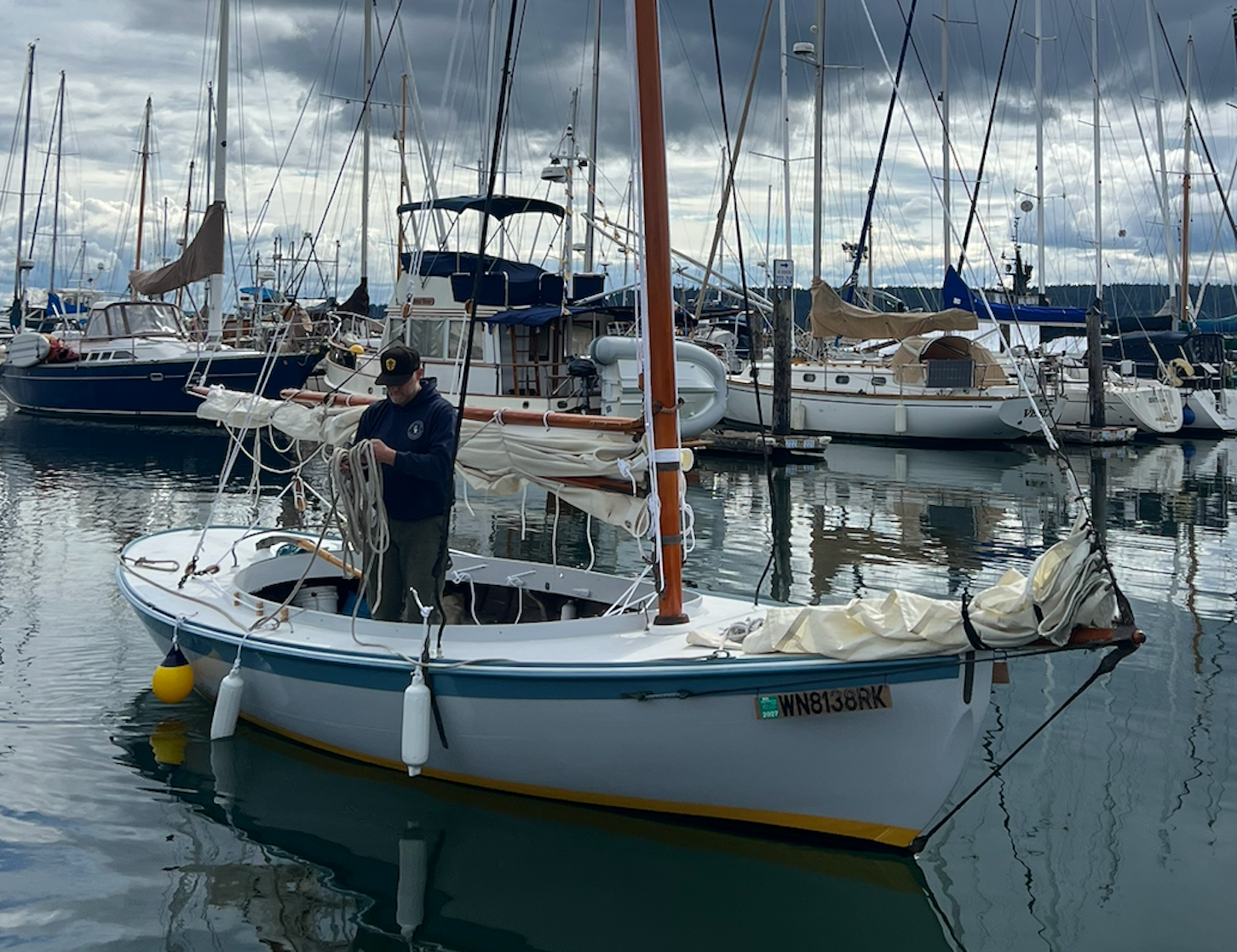
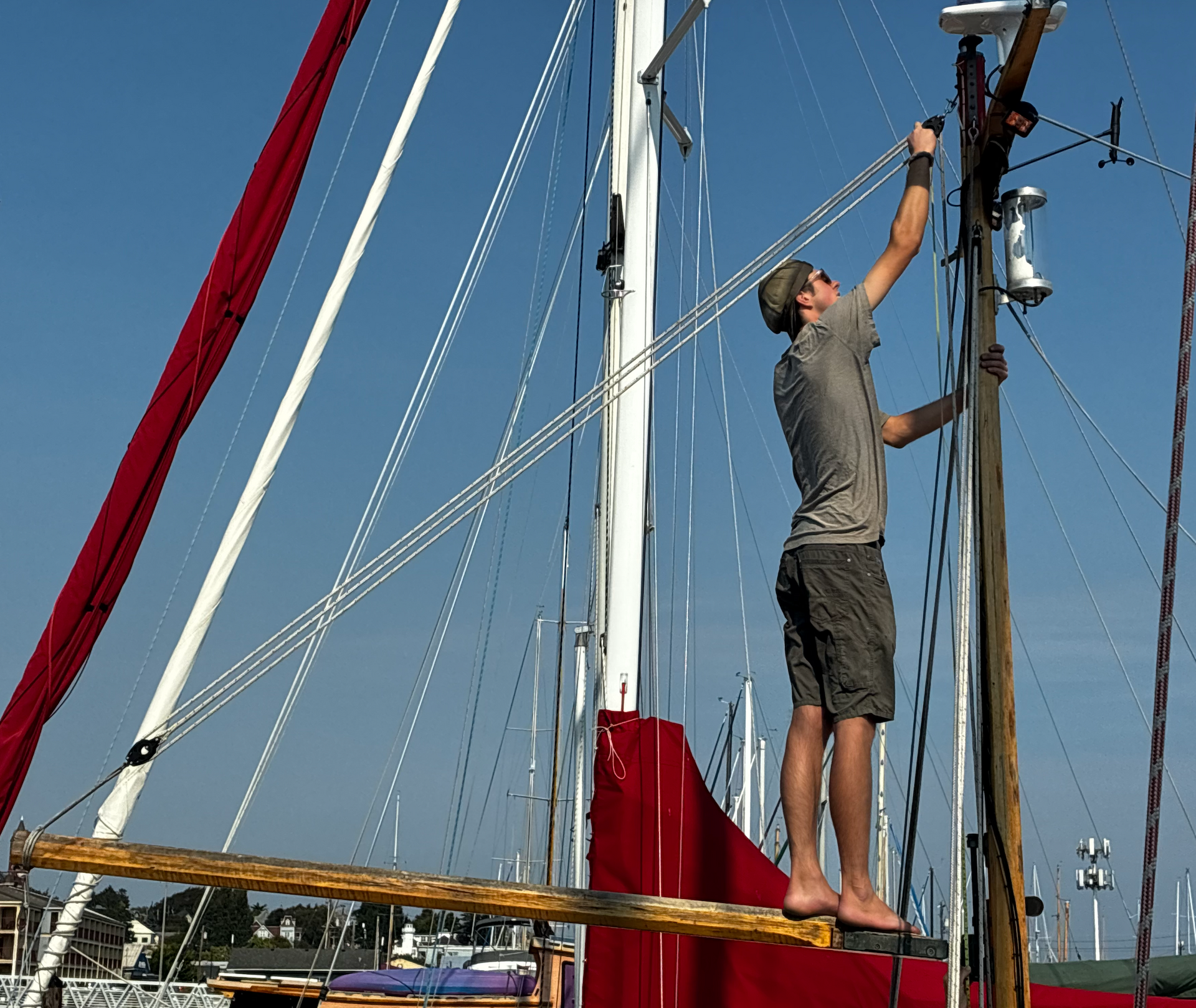
In 2019, Demian Detweiler purchased Lacey and brought her to the marina, where he finished the cabin, interior, systems, and mechanical work himself. He completed the boat in 2020.
Now, more than a decade after her build began, Lacey is preparing for a very different kind of working life: a journey around the Great Loop.
From the Northwest School of Wooden Boatbuilding to the Shipwrights
Lacey’s story is closely connected to Demian’s own path into boatbuilding.
Demian graduated from the Northwest School of Wooden Boatbuilding, completing both the Systems program and the Wooden Boat program. Not long after graduating, he joined Port Townsend Shipwrights, where he has now worked for more than six years.
He wears a lot of hats at the Shipwrights, but his primary focus is systems and electrical work. The job has given him the opportunity to expand well beyond what he learned in school.
“I took the systems course as a starting point, but I've learned a lot more about what I was taught in school while working for the Shipwrights,” Demian said. “In the systems and wooden boat program I learned a lot, but while working here that grew and extended to learning machining and metal work.”
That range of skills has become particularly useful at the Shipwrights. As Demian puts it, “Sometimes a systems project will need a woodworker, and sometimes a woodworking project needs some understanding of systems. Instead of having multiple people on that project, it’s just me!”
A Trip That Was Always Somewhere on the Horizon
Demian first heard about the Great Loop seven years ago. It was one of those ideas that stayed with him. “I found out about the trip when I got the boat. It was something I was gonna do someday. Well, today is someday. ”
The Great Loop is an approximately 6,000-mile waterway journey around the eastern part of North America. The route connects the inland waterways of the Great Lakes with rivers and coastal waterways throughout the eastern United States and Canada, creating one large loop. There is no single prescribed route, and boaters can choose where to begin and how to navigate the journey. The trip also requires careful planning around a boat’s size, draft, height, and ability to navigate different canals, rivers, bridges, and locks.
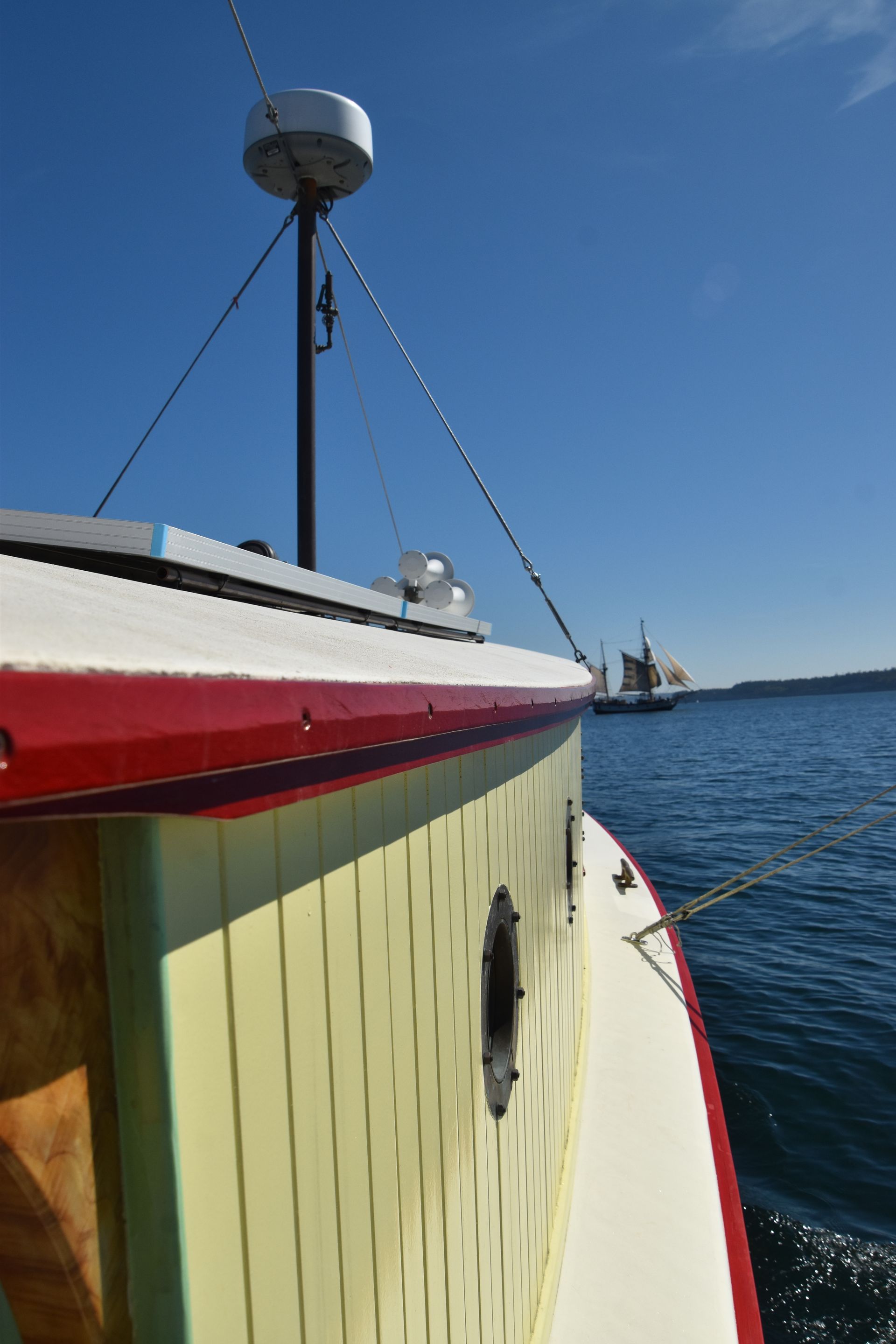
For Demian, Lacey’s size makes her a good fit for the journey. At 28 feet, she is small enough to move easily and capable of navigating the shallower waters and low bridges that make up portions of the route. The lowest fixed bridge has 19 feet of clearance, while many other bridges along the route will open to allow boats to pass.
Because the Loop can be started from almost anywhere, Demian has chosen St. Louis as his starting point. His planned route will take Lacey down the Mississippi River and up the Ohio River before continuing through the Tennessee River and Tennessee-Tombigbee Waterway and onto the Intracoastal Waterway. From there, he plans to travel around the Florida Keys and north along the Atlantic coast before heading into the Hudson River, Erie Canal, Lake Ontario, and the Trent-Severn Waterway.
The journey will continue through Georgian Bay and into Lake Michigan, eventually reaching the Chicago Sanitary and Ship Canal before returning to St. Louis.
Demian estimates the trip will take just under a year.
Planning Around the Seasons
The timing of the journey is just as important as the route itself.
“It’s pretty protected being Intracoastal Waterway. But it is seasonal, and I don’t want to be around Florida, Alabama, Georgia areas during hurricane season, so I’m planning on being around there in December,” Demian said. “And obviously, I can’t be in the Great Lakes during winter because they can get frozen over. So I should be there around June, July, or August.”
For Demian, the appeal isn't simply reaching the finish line. The journey itself is an opportunity to experience a completely different kind of boating.
Now, Lacey will become another classroom. “I’m excited to see a different boating experience than what I’m used to. I’m going to learn so much along the way.”
“Done Enough”
Demian plans to leave on Monday, September 28, 2026.
As the departure gets closer, there is still work to do. A boat preparing for a journey of this scale will always have another project, another adjustment, another thing that could be improved. But eventually, you have to go.
“Am I ready? No, I’m not ready, but you can’t plan for everything,” Demian said. “Nothing is completely done, but it’s done enough.”
For Lacey, “done enough” means ready to leave Port Townsend and begin a journey that will take her through rivers, canals, lakes, coastal waterways, locks, and bridges before eventually bringing her back to St. Louis.
And Demian won't be making the journey entirely on his own.
Taking Port Townsend Along
Demian’s connection to Port Townsend Shipwrights will continue long after he leaves the yard.
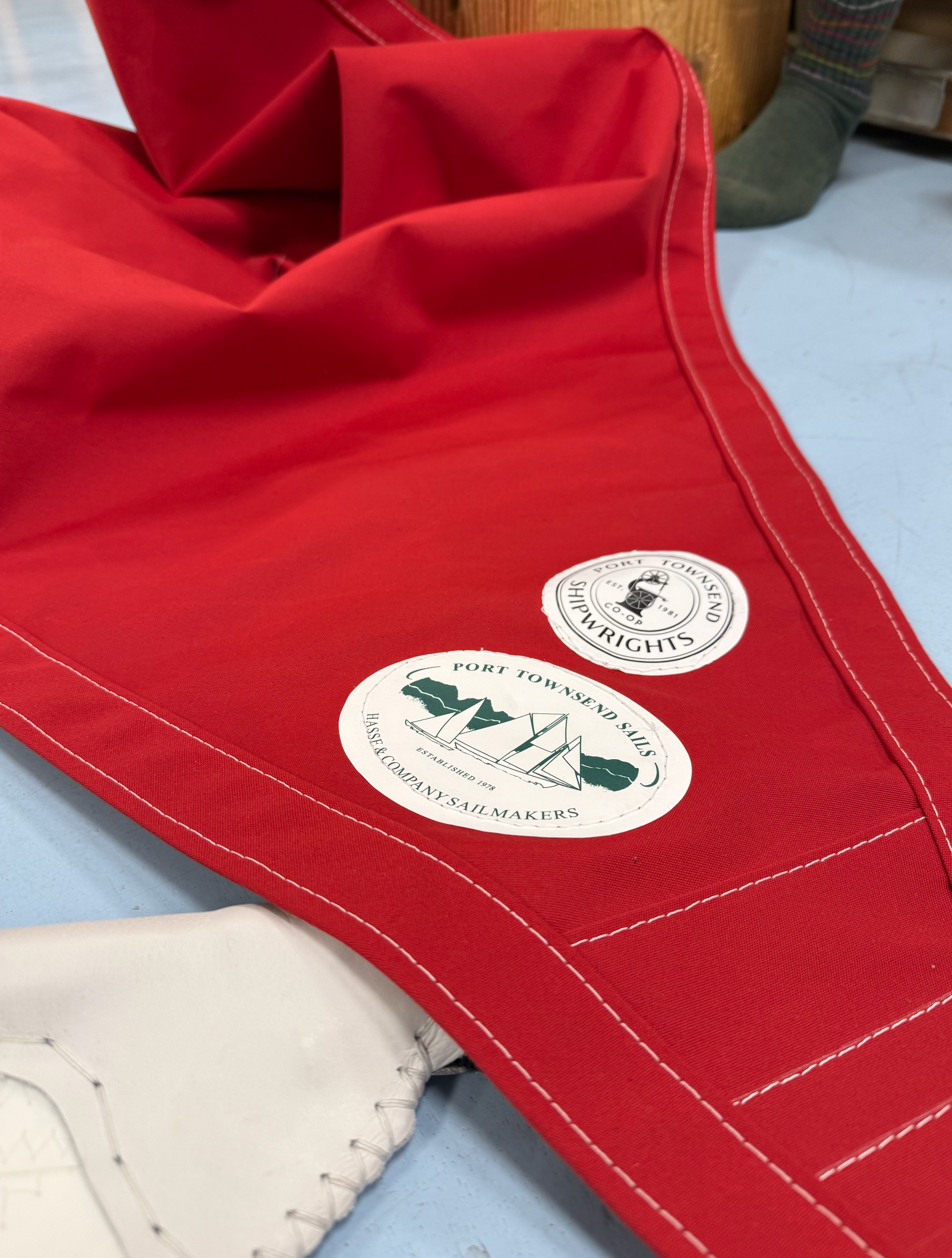
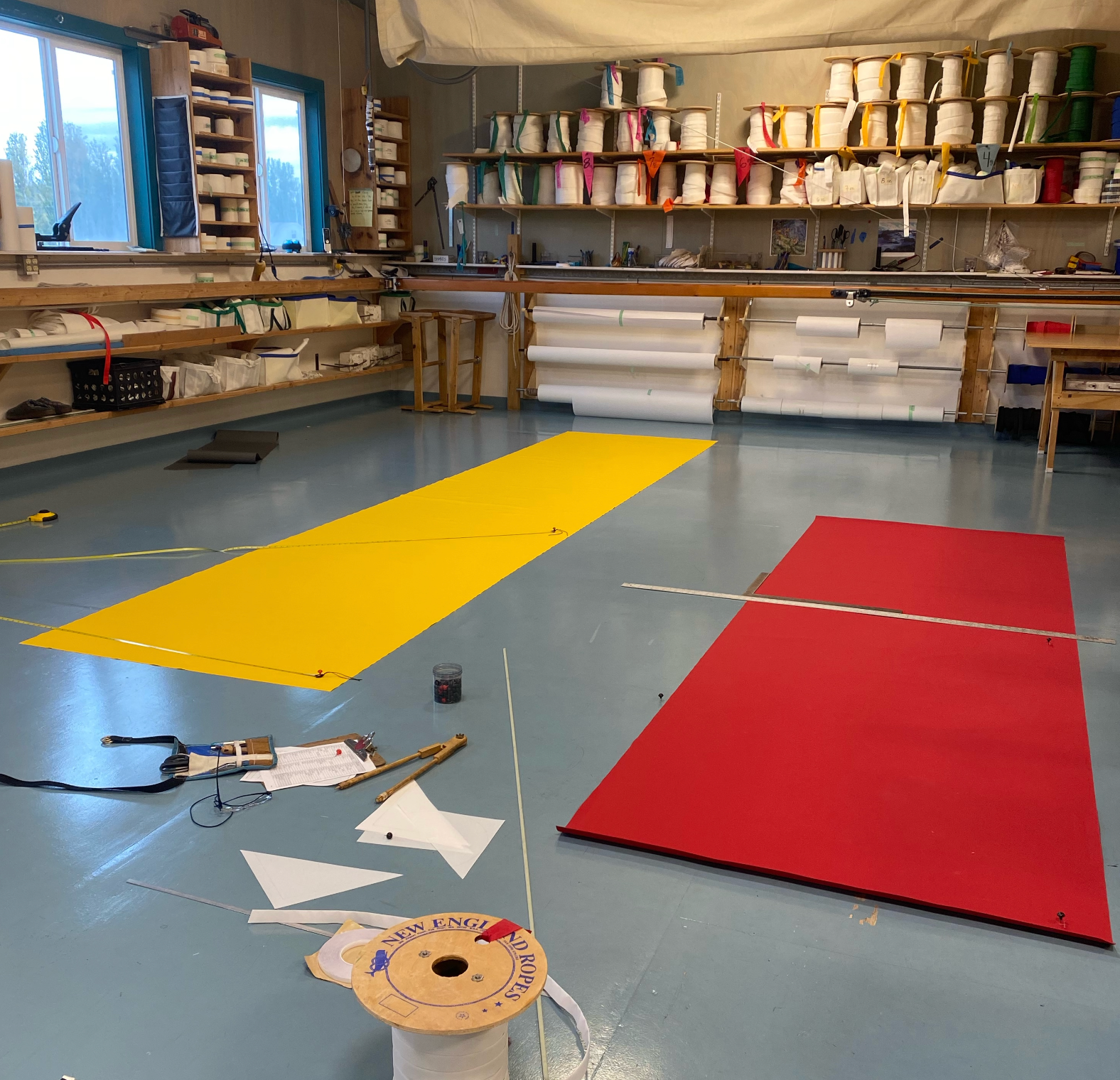
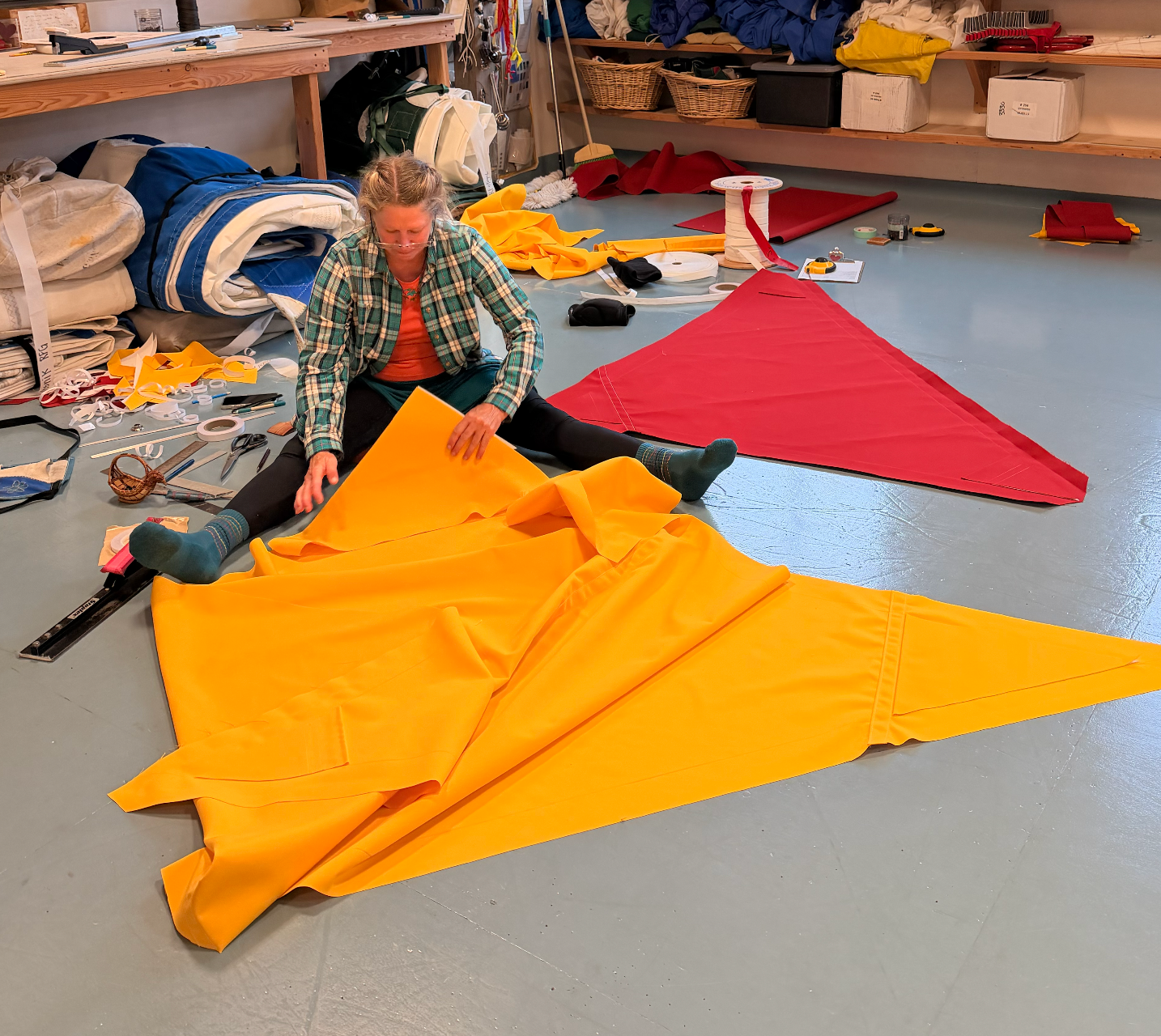
As part of his send-off, the sailmakers at Port Townsend Sails (PT Sails), part of the Port Townsend Shipwrights family, offered to build sails for Lacey’s journey. Port Townsend Shipwrights is sponsoring the project, covering the cost of materials and the sailmakers’ work to build them.
Demian will also be carrying two reminders of home along the way: a Port Townsend Shipwrights burgee and a PT Sails burgee, flying from Lacey as he makes his way around the Loop.
The Shipwrights will be following along, too. Throughout the journey, Demian will share updates through social media and blog posts, documenting places he visits, boating challenges he encounters, and what he learns along the way. Port Townsend Shipwrights will support him through paid content work, providing a small part of the financial support needed for the trip while giving the Shipwrights—and everyone following along at home—a way to experience the journey with him.
It is a fitting continuation of Demian’s time at Port Townsend Shipwrights: learning, working across disciplines, and sharing what he discovers along the way.
Lacey is ready for another chapter. On Monday, September 28, Demian and
Lacey will leave Port Townsend and begin the Great Loop, carrying two Port Townsend burgees with them—and a connection to the people and place that helped get them there.