Tawaki: The Second Truant, 300 Hours, Back on the Water
The Second Truant, 300 Hours, and Back on the Water
When Brad first encountered Tawaki, he wasn't looking at a boat that simply needed a fresh coat of paint. A small bubble in the paint at the stem led to a much bigger discovery: the stem was rotten. So were the forefoot, knee, and keel. In fact, nearly the entire centerline of the boat was compromised.
That was the beginning of a project that took about two years. Nearly two decades after Brad bought the boat, another major haulout put roughly 300 hours of work into getting Tawaki ready to sail again.
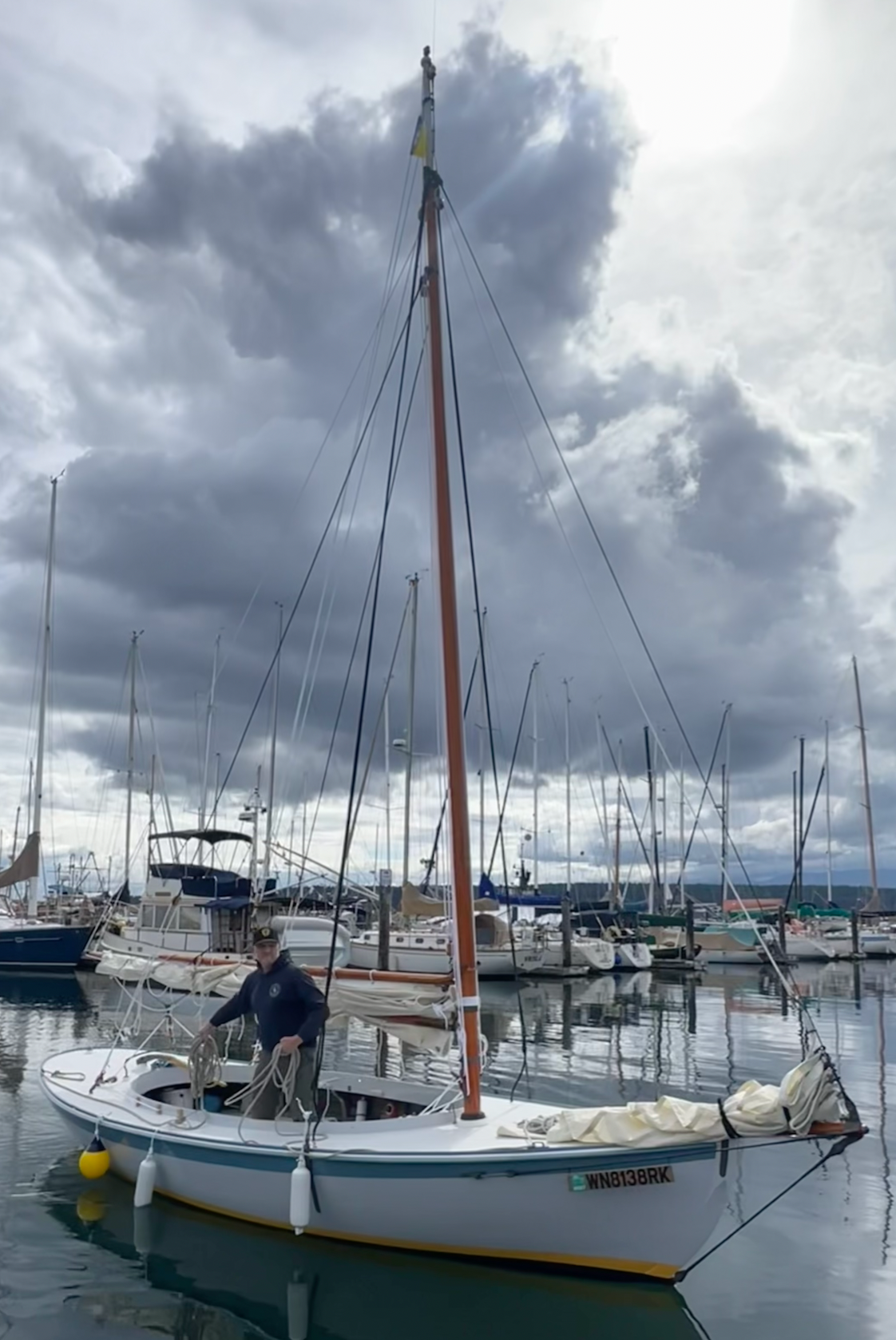
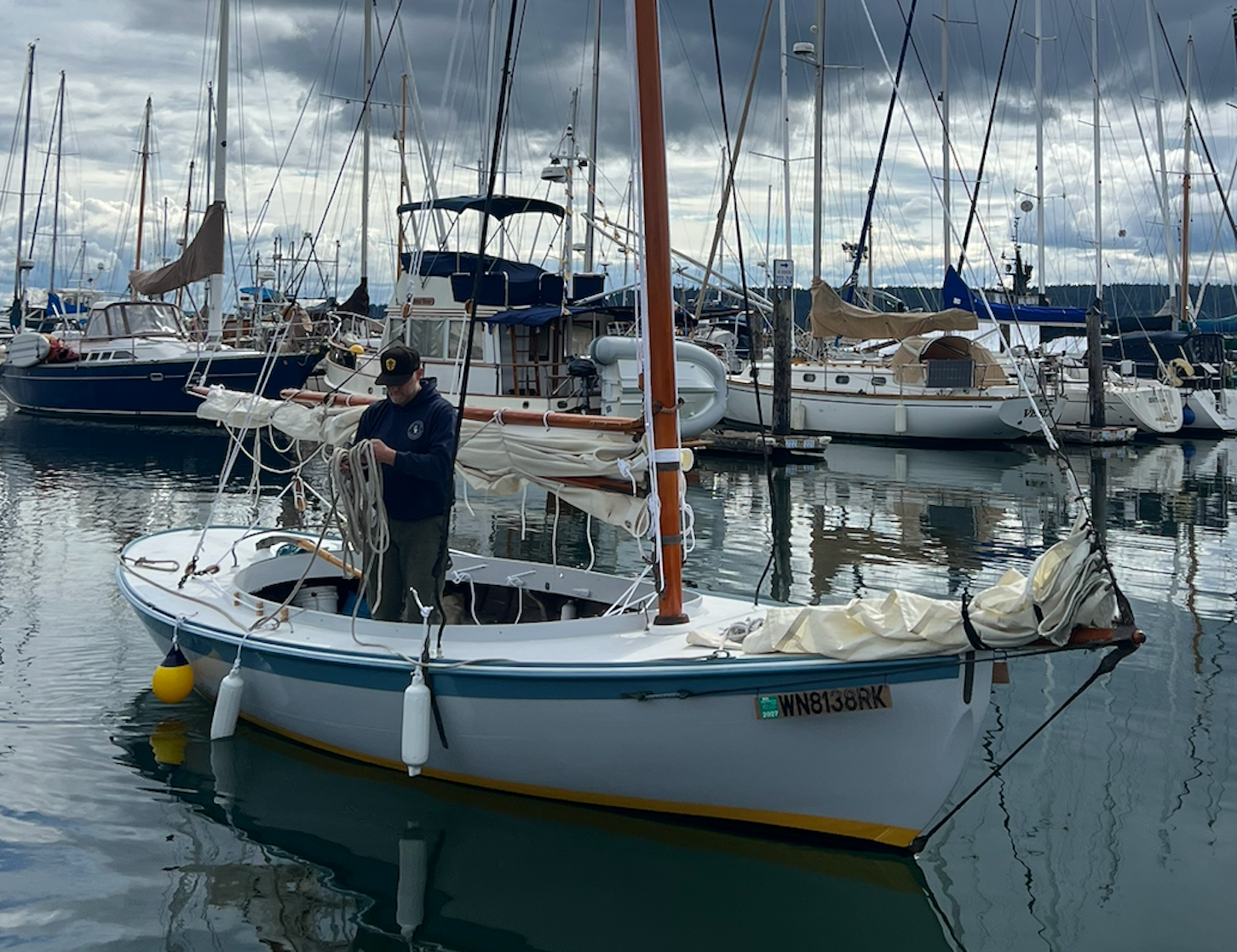
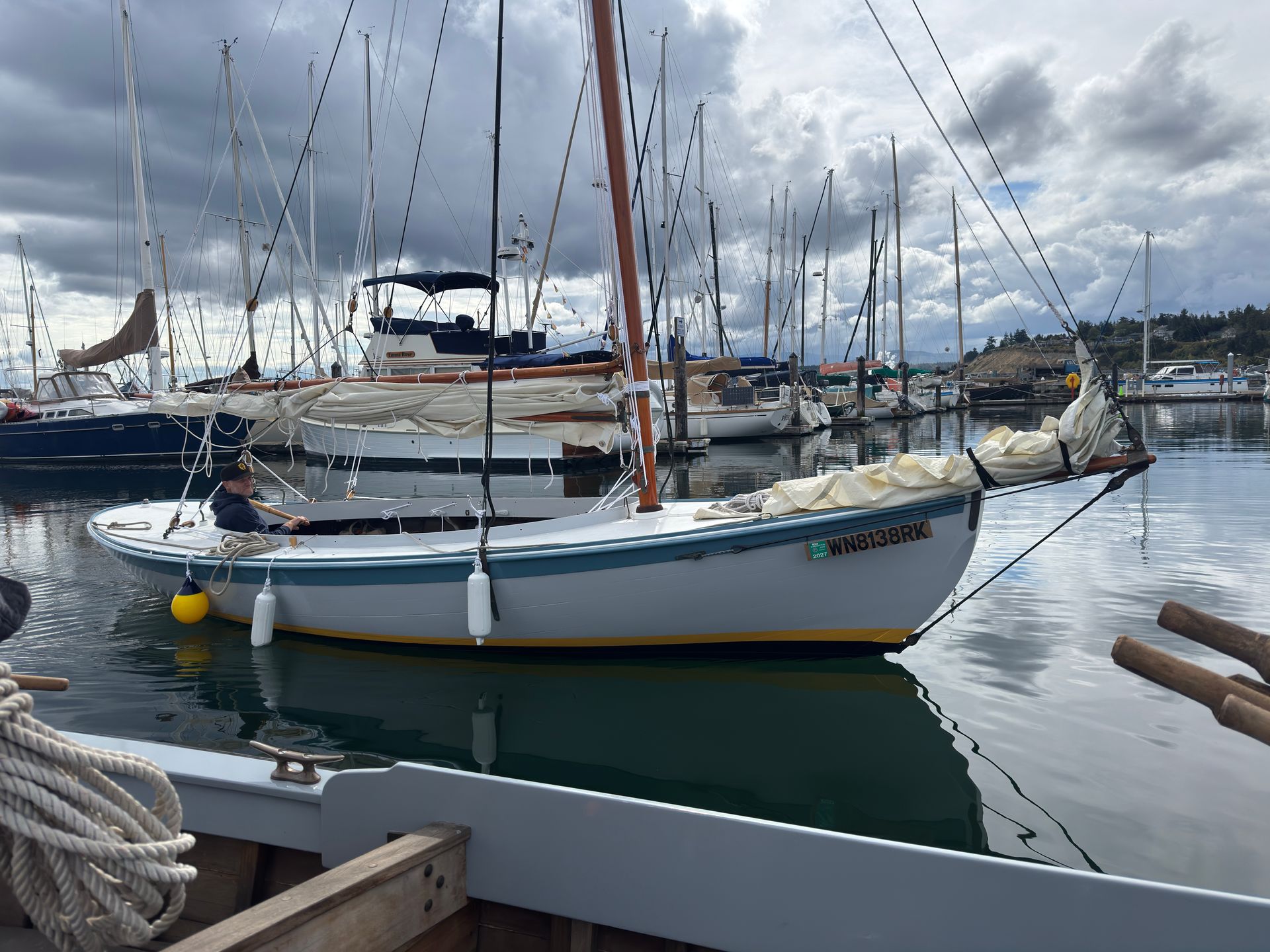
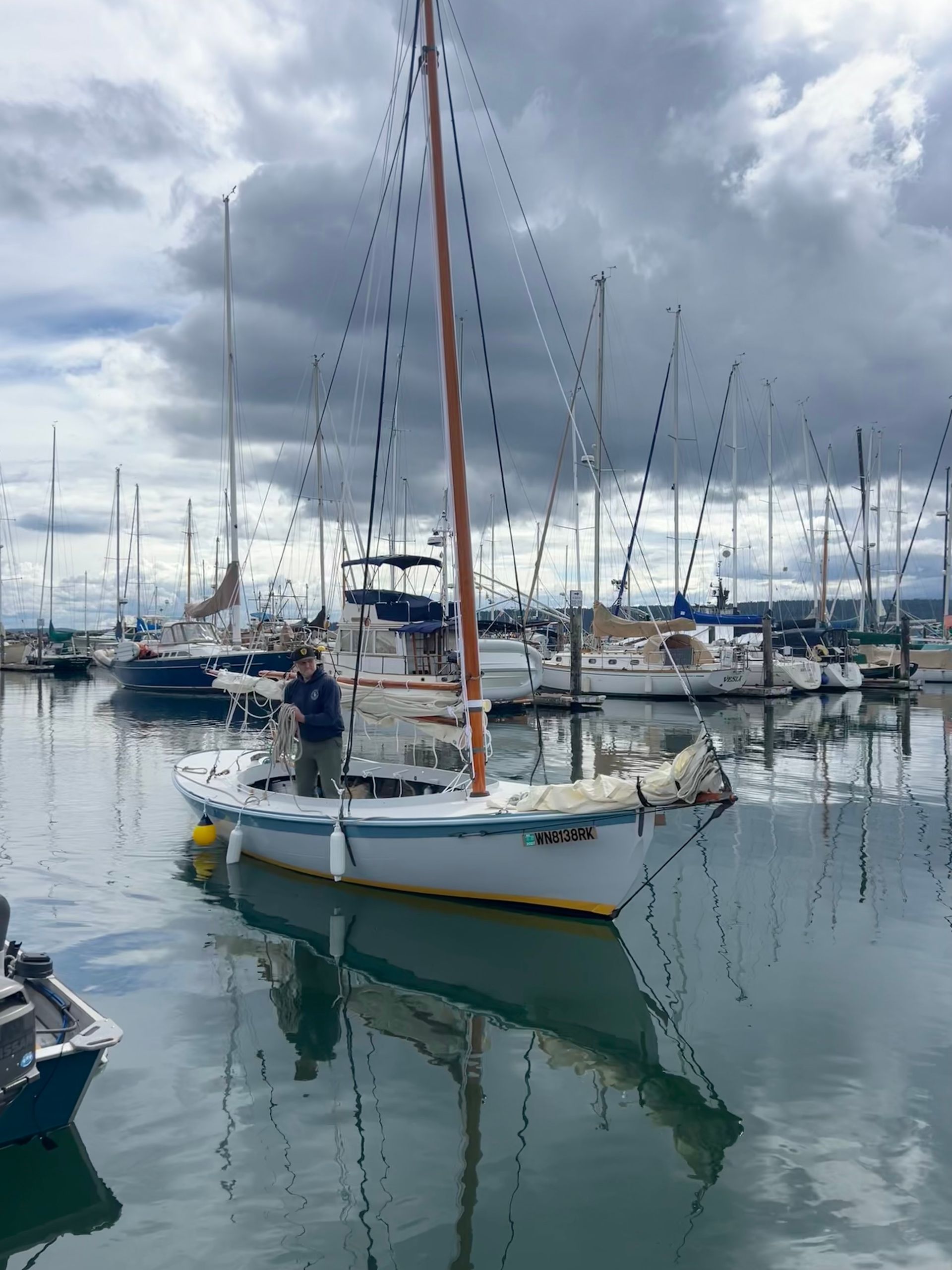
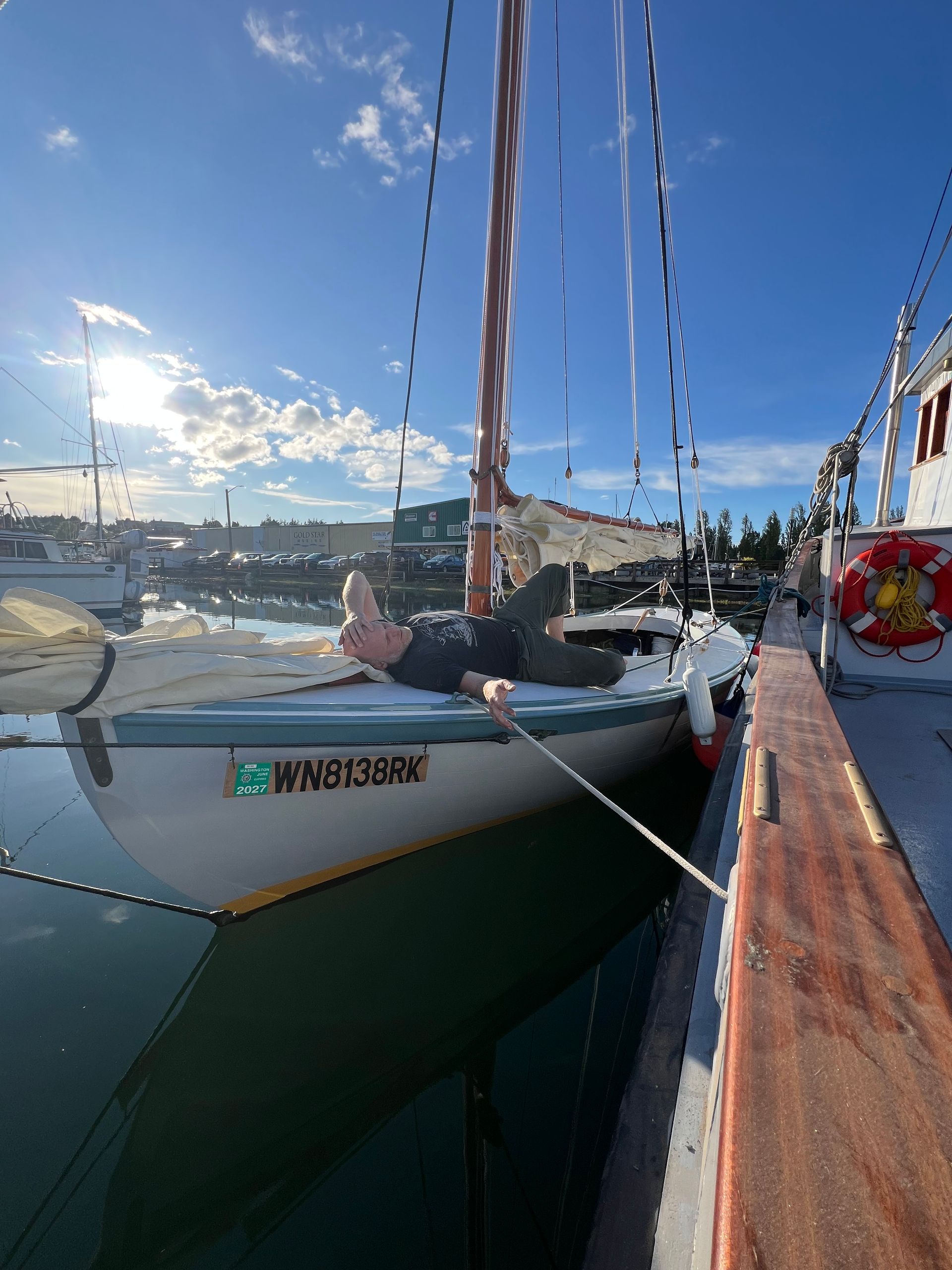
Tawaki is a Truant, a 25-foot 6-inch sloop designed by Ed Louchard and built at the Northwest School of Wooden Boatbuilding in Port Townsend in the 1990s. Seven boats were built to the design. The Truant was conceived as a classic weekender and daysailer, designed specifically for the chop and tide rips at the mouth of Port Townsend Bay. With a full keel, lead ballast, generous cockpit, and traditional gaff rig, she was built to be both capable and sociable.
Tawaki, launched in 1999, has long been thought to be the last Truant built at the school. Even Ed Louchard, the boat's designer, had told Brad that it was likely the last, given how many differences it had from the earlier boats. But just yesterday, Brad discovered something different. Looking through the original build plans at the Northwest School of Wooden Boatbuilding, he found that Tawaki was actually the
second Truant built, immediately after Louchard's original boat.
Rebuilding the Centerline
When Brad discovered the extent of the rot, he took on the work himself. Over the course of about two years, he removed the damaged material, dropped the lead ballast, rolled the boat, and rebuilt the centerline in purpleheart. The stem, forefoot, knee, and keel were replaced, and three or four planks on each side were also replaced.
"The whole middle of the boat is new," Brad says.
It was substantial work, but Tawaki eventually returned to the water. Brad and his family sailed her to the San Juan Islands when his daughter was just 18 months old. The boat has been part of the family ever since. His daughter is now 17.
300 Hours of Work
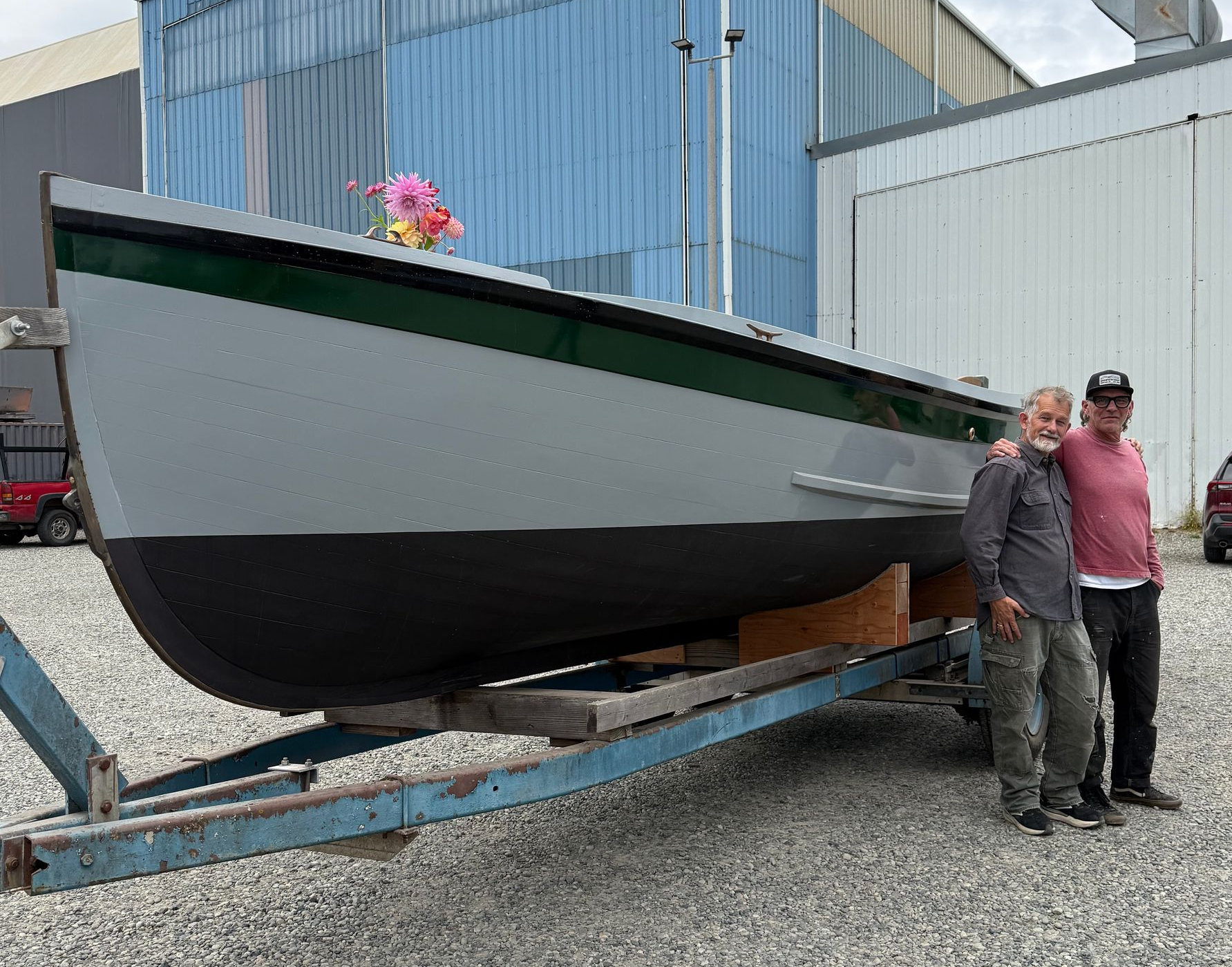
This year's haulout was another opportunity to give Tawaki the attention she needed. Over two and a half months, Brad put in approximately 300 hours of work—averaging about four hours a day after work, with longer days on weekends and sometimes 12-hour stretches.
As much as possible, Brad handled the work himself. He sanded and painted the boat, including the deck and bench seats. He removed and refinished the sole, stripped the varnished surfaces completely, and brought the brightwork back with fresh coats of varnish. The mast, gaff, and boom each received 11 coats of varnish.
Brad also replaced hoses in the engine's raw-water system and replaced the propeller, which had been damaged after years in the water without enough zinc protection. He also rebuilt the boat's 14 wooden blocks, a job that turned out to be one of the more challenging parts of the project.
A Little Help Along the Way
Brad says he's grateful to have so many craftspeople nearby who are willing to share their skills and knowledge.
The Truant's traditional rig uses three-strand Dacron running rigging reeved through rope-stropped wooden blocks. Brad replaced the rope-stropped grommets on the blocks, learning a skill he hadn't previously had much experience with. Fortunately, he didn't have to figure it all out alone.
Leah Kafkin of Best Coast Canvas offered to show Brad how to make the grommets and seizings. She came over to the shop and, over lunch, walked him through the process. One of the tricks she shared involved dipping the grommets in Elmer's glue before working with the three-strand line to help each strand hold its shape.
"Little tips like that make such a huge difference," Brad says.
The engine presented another challenge. After years in the water, the engine Brad had been running needed significant work, and some of the parts were becoming difficult to find. Then, by chance, a customer mentioned that he had the exact same engine sitting in his garage. Brad was able to purchase it for $500. Adam and Wyatt, crew from Port Townsend Shipwrights, helped strip it down, paint it, replace gaskets, and get it serviced before it went into Tawaki.
The sails were in good shape and needed only some attention to the jib. The sailmakers at Port Townsend Sails added traditional hanks and leatherwork. As part of the Port Townsend Shipwrights family, the sail loft brings specialized sailmaking and repair skills to the same community of boat owners and craftspeople working throughout the Port Townsend waterfront.
Why Tawaki?
The boat's name has a story of its own.
When Brad's children were young, he took his family on a trip to New Zealand for two and a half months. They traveled around and stayed in a tent, and along the way they saw Fiordland penguins.
Tawaki is the Māori name for the Fiordland penguin. The connection seemed fitting. The boat's blue, yellow, and gray coloring echoes the distinctive coloring of the penguin, giving the name a personal connection to both the boat and Brad's family.
A Truant with a Few Differences
Although the Truants share a common design, Tawaki has some features that distinguish her from Louchard's original boat. Those differences were part of the reason Brad—and even Louchard himself—had long believed Tawaki was the last boat built in the class.
The original Truant, built by Louchard himself, was sail-only, without an engine or cabin. Tawaki has a removable cabin top that was built specifically for her, bolting around the coaming, giving the forward part of the boat additional protection during the winter.
Tawaki also carries a Cornish lug topsail—a sail that extends above the mast adding sail area for light air. It's a fun sail, Brad says, but not one he puts up often. The long spar is cumbersome to carry aboard and needs to be brought from the garage when conditions are right. It is best suited to light air, when the additional sail area can be useful.
Back on the Water
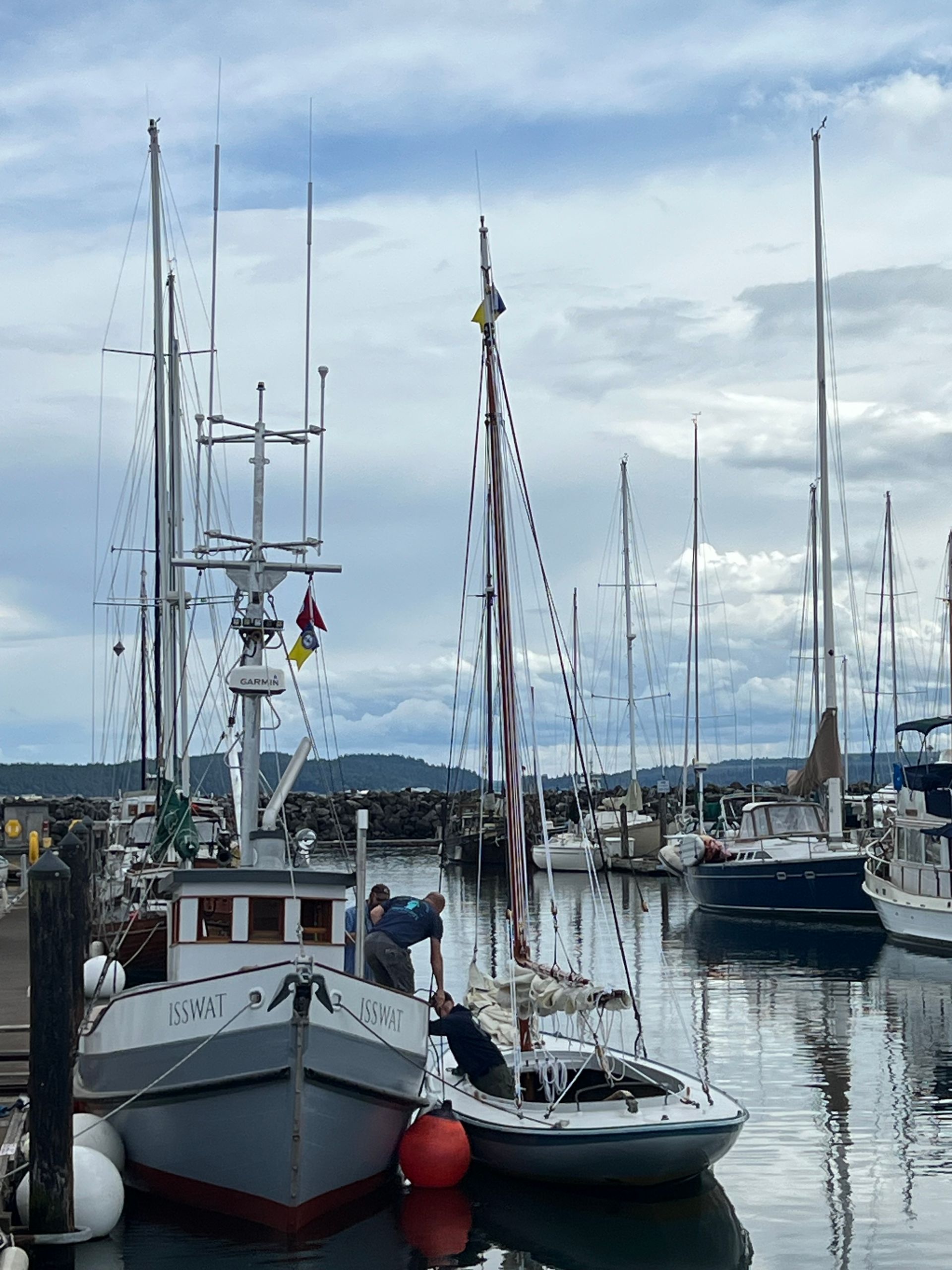
After all the sanding, varnishing, rebuilding, replacing, and problem-solving, Tawaki is back in the water!
For now, Brad is keeping her in Boat Haven so he can take advantage of being able to go sailing after work. He normally keeps the boat at Cape George Marina, where Brad mentions that low tides can make things interesting.
Discovery Bay has its own rewards. Brad recalls sailing there with no other boats around, a gray whale nearby, and the Olympic Mountains in the background. But there's something appealing about having Tawaki close at hand.
Brad is looking forward to simply sailing her more. He's never spent a night anchored aboard Tawaki, so that's on the list. And looking further ahead, he'd like to take her north to Victoria for the Wooden Boat Festival next year, potentially joining the informal circuit of wooden boats that travel between gatherings around the Salish Sea.
A New Chapter in the Truant Story
At this year's Port Townsend Wooden Boat Festival, Tawaki had a particularly special reunion. She was alongside the original Truant built by Ed Louchard—the first and second boats of the class together again.
For years, Brad had believed Tawaki was the last Truant built. Even Louchard had thought that was likely, based on the many differences between Tawaki and the original boat. Then, just yesterday, Brad went back to the original build plans at the Northwest School of Wooden Boatbuilding and found the answer: Tawaki was actually the second boat built, immediately after Louchard's original.
After nearly two decades with Tawaki, Brad is still finding new pieces of her story.
And after 300 hours of recent work, she's ready for the next chapter.